
News
Why You Should Eat a Variety of Nut Butters
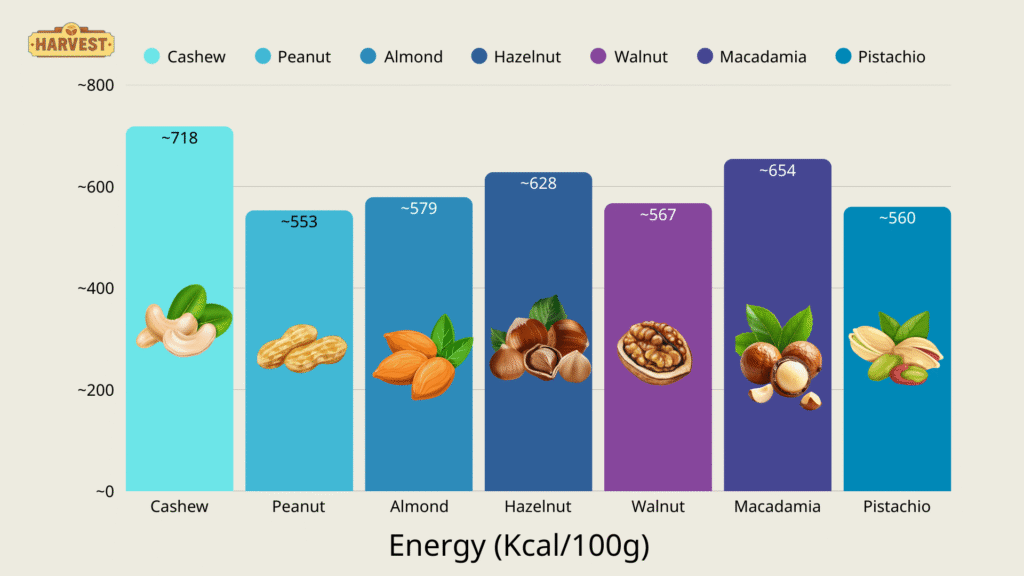
Nut butters are becoming an essential part of a healthy diet. But instead of relying on just one type, combining different nut butters provides a far more complete nutritional profile. Each nut has its own “nutrition signature” — rich in certain nutrients while lighter in others — so variety is the key to optimal nourishment.
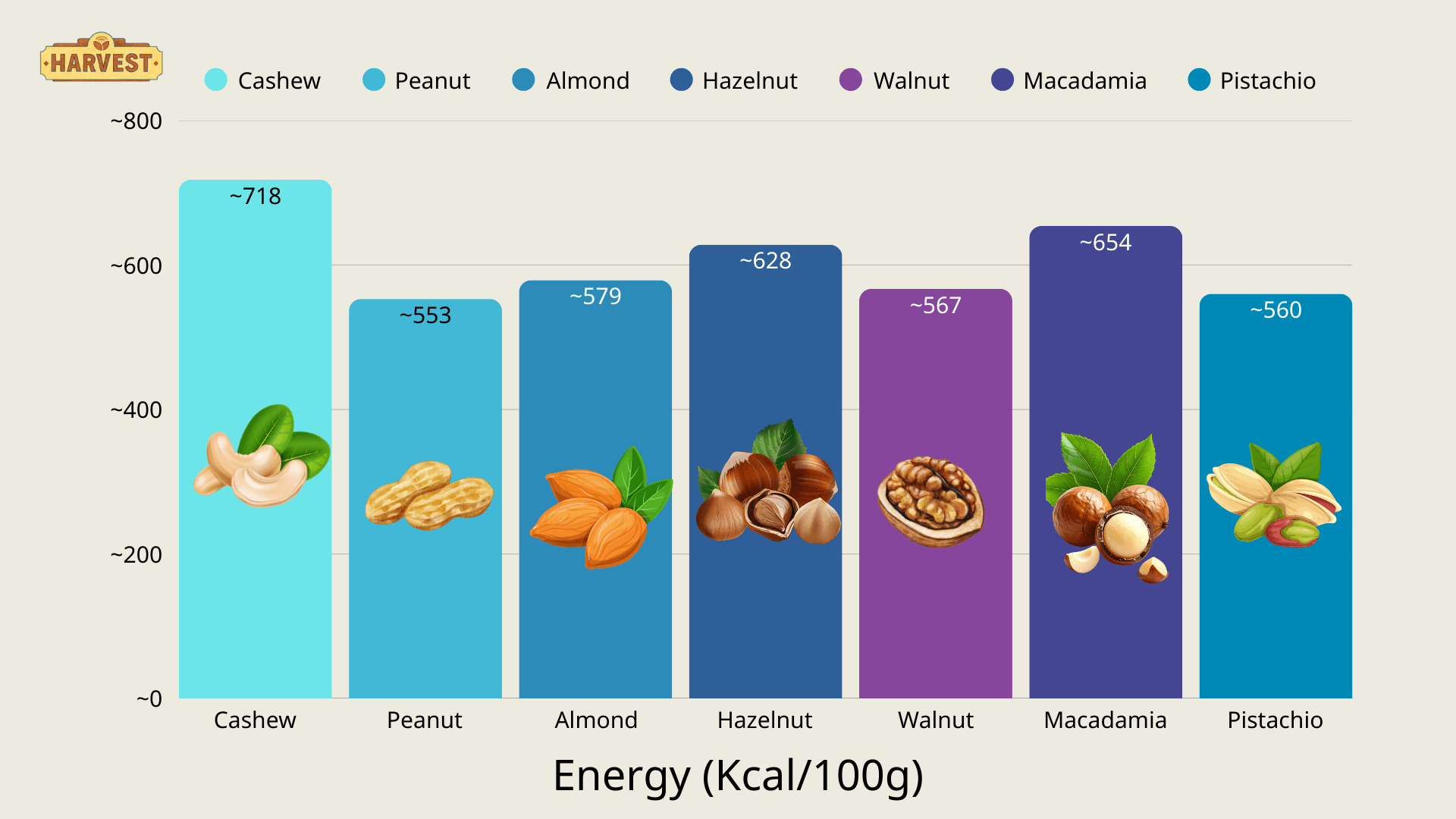
1. Each nut offers a different nutritional strength
Macadamia
Macadamia is rich in heart-healthy MUFAs similar to olive oil, low in carbs and suitable for keto lifestyles, and provides manganese that supports energy metabolism.
Almond
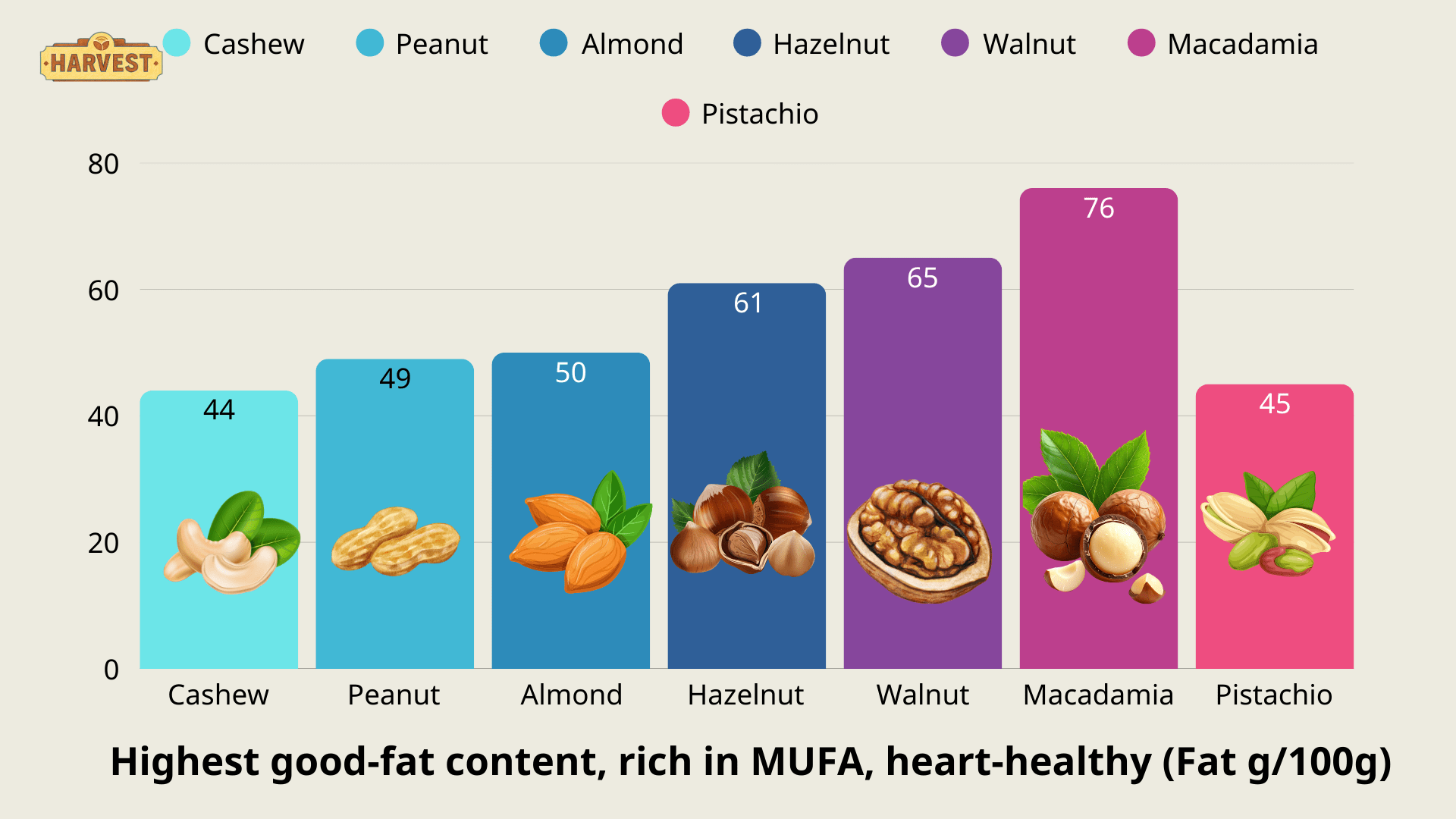
Almonds are an excellent source of vitamin E with strong antioxidant benefits for the skin, rich in magnesium that supports bone and nervous system health, and high in protein and fiber, helping maintain fullness and stabilize blood sugar.
Walnut
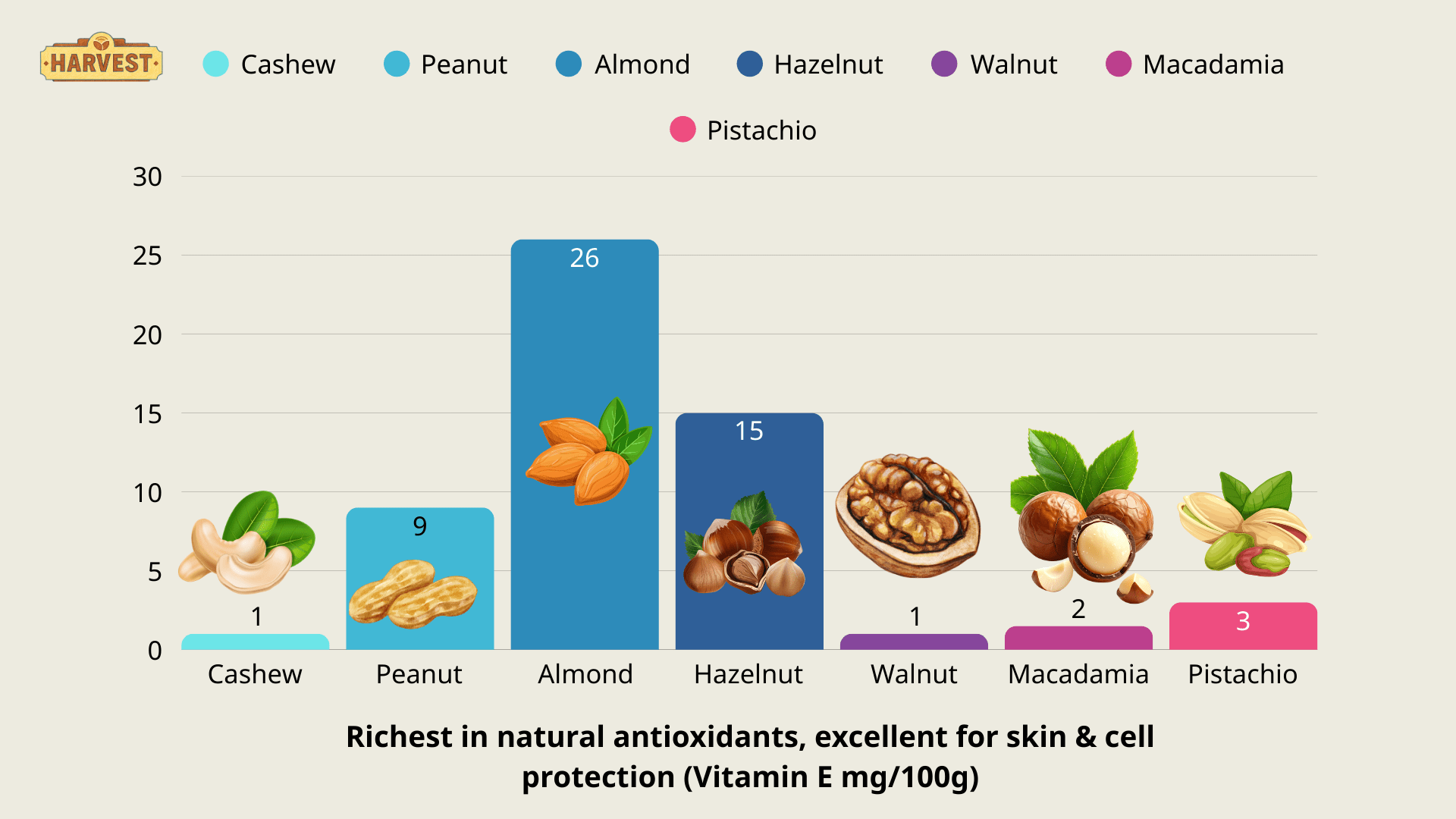
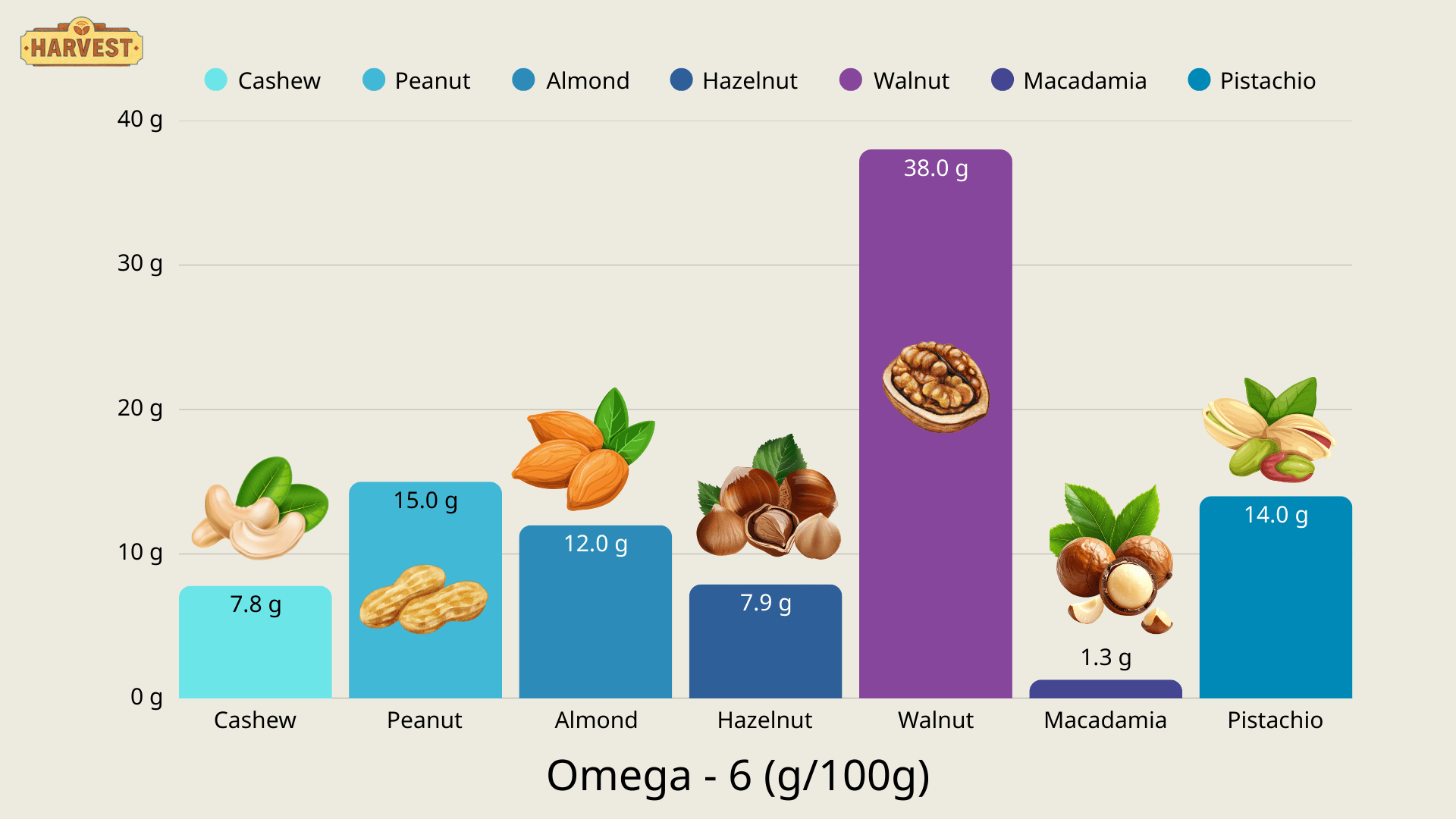
Walnuts not only lead all nuts in plant-based omega-3 (ALA), but they also contain a remarkably high level of omega-6 fatty acids — far higher than most other nuts. With about 38 g of omega-6 per 100 g, walnuts deliver one of the richest natural sources of linoleic acid in the nut family. This powerful combination of omega-3 and omega-6 supports brain function, heart health, and overall cellular activity, making walnuts uniquely balanced and nutritionally dense.
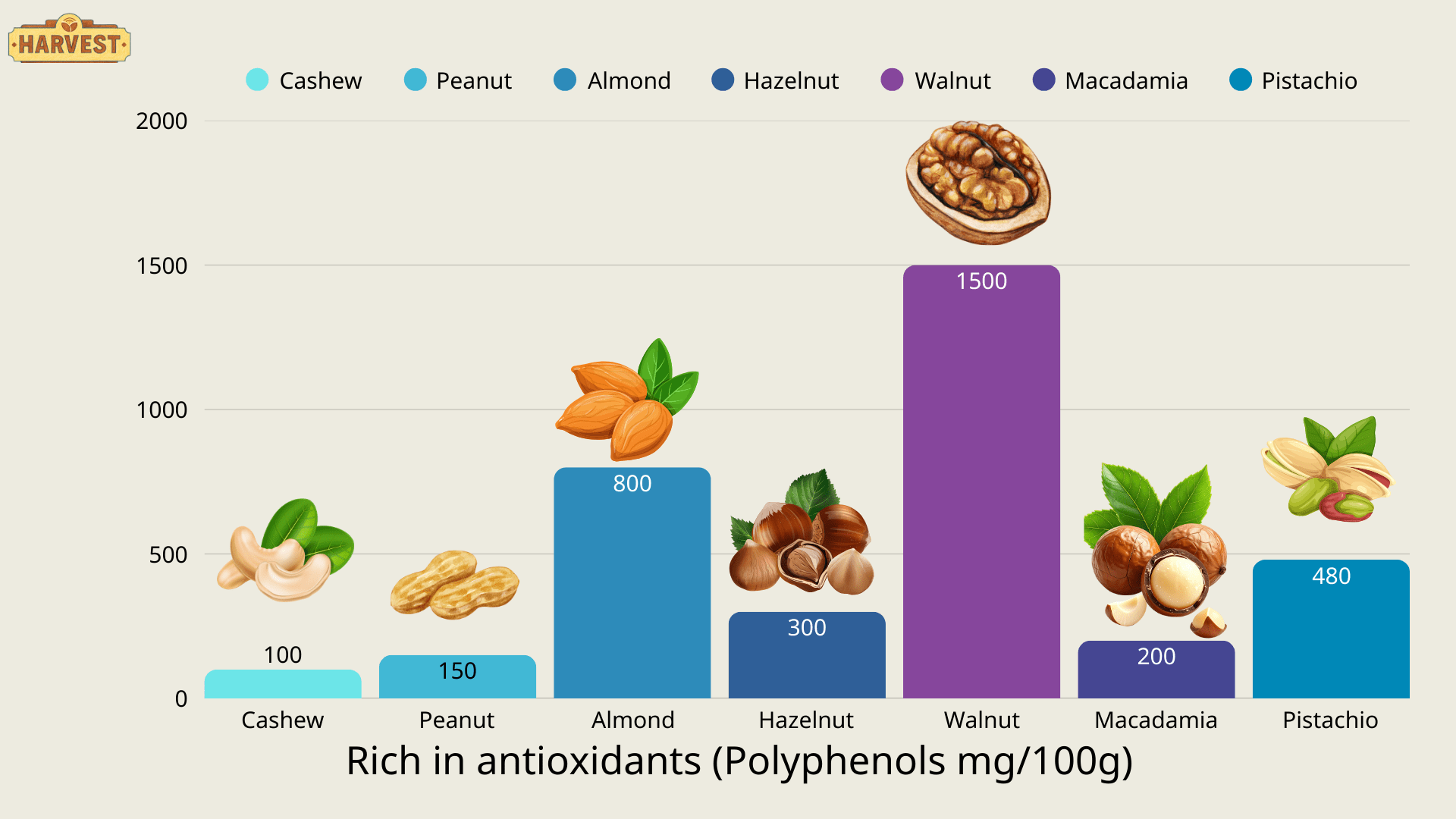
They also contain abundant polyphenols that give them one of the strongest antioxidant profiles among nuts, supporting memory and reducing inflammation.
Cashew
Cashews provide zinc and iron that support immunity and blood circulation, along with copper that benefits hair, skin, and pigmentation. Their naturally creamy texture makes them ideal for creating smooth, delicious nut butter.
Hazelnut
Hazelnuts are high in vitamin E and phenolic compounds that promote skin health and anti-aging. With their naturally aromatic flavor often used in chocolate and desserts, they also support heart health thanks to their MUFA content.
Peanut
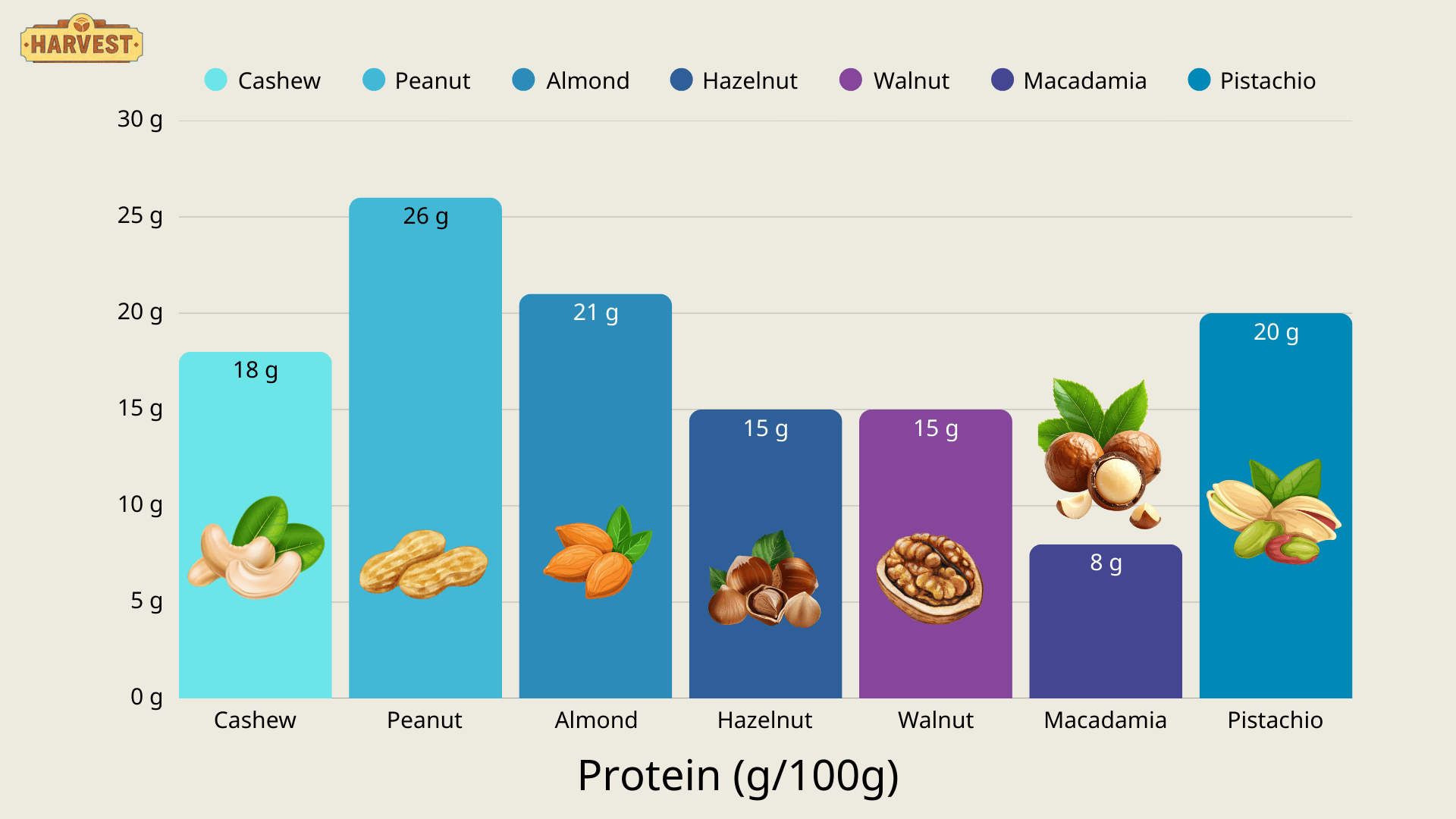
Peanuts offer one of the highest protein levels among common nuts, are rich in niacin and folate for brain function and metabolism, and serve as an affordable, energy-dense source of quick nourishment.
Pistachio
Pistachios are rich in protein, fiber, and healthy fats that help keep you full for longer. They provide a good balance of MUFAs and PUFAs that support heart health, and are also high in antioxidants including lutein and zeaxanthin, which promote eye health. Their naturally vibrant green color and mildly sweet flavor make them a nutritious and versatile choice for snacking and nut spreads.
Each nut has its specialty — and your body benefits from all of them.
2. A broader spectrum of minerals
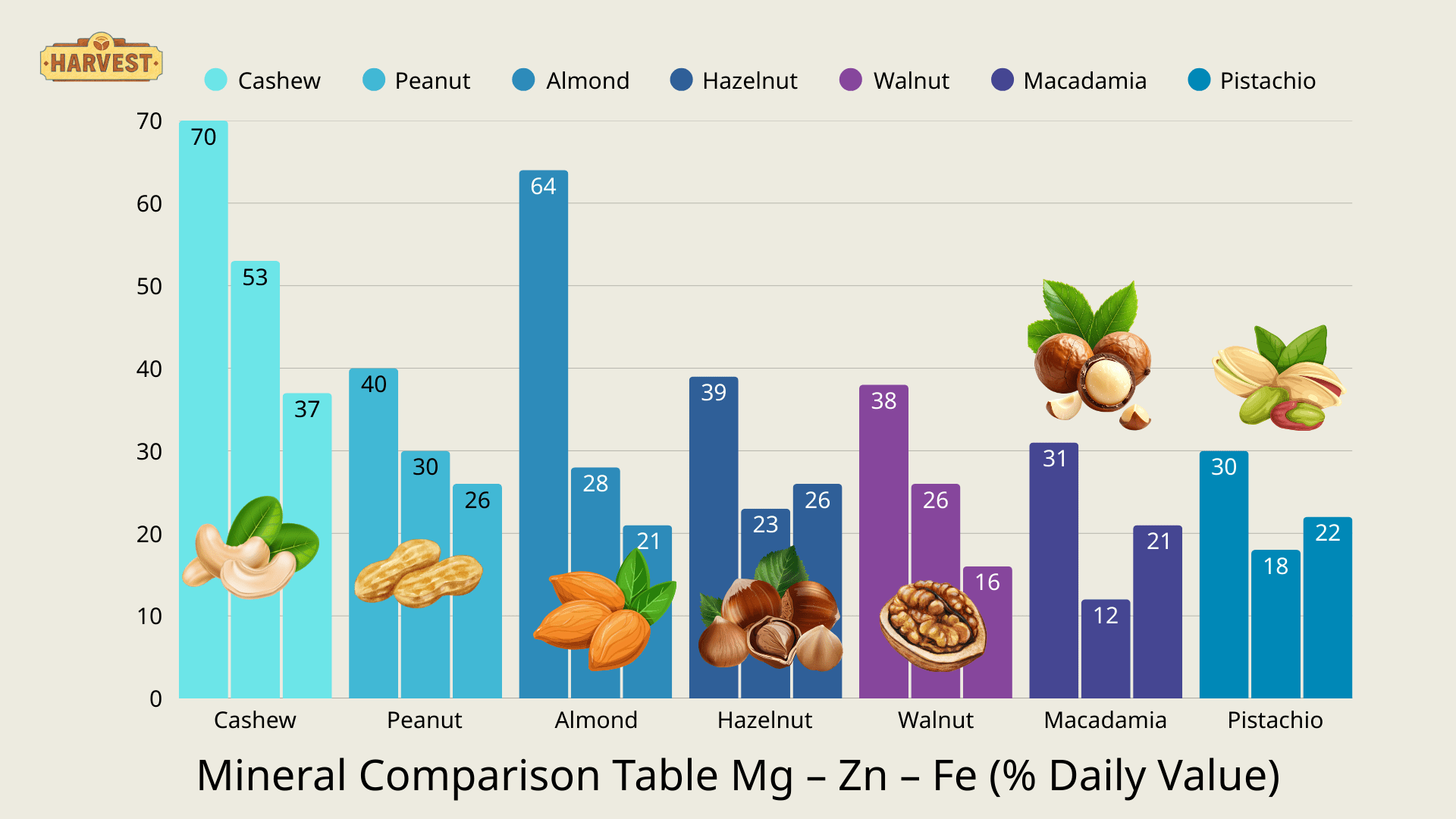
Essential minerals like magnesium, zinc, and iron vary significantly among nuts.
For example:
- Cashews and almonds are rich in magnesium.
- Hazelnuts and peanuts contain more iron.
- Almonds and walnuts provide additional calcium.
➡ Eating multiple nut butters helps balance your natural mineral intake, supporting muscles, nerves, immunity, and energy production.
3. Better support for heart health
Each nut contains a different profile of healthy fats:
- Macadamia and almond: high in MUFAs – great for heart health
- Walnut: rich in omega-3 – reduces inflammation and supports blood vessel function
- Peanut: rich in PUFAs – helps metabolic processes
By combining them, you get the full spectrum of heart-friendly fats.
4. Flavor variety helps you maintain a healthy habit
Nut butters come with diverse flavor profiles:
- Silky and buttery macadamia
- Aromatic roasted almond
- Creamy sweet cashew
- Bold peanut
- Rich hazelnut
This variety keeps you from getting bored — making healthy eating easy to maintain.
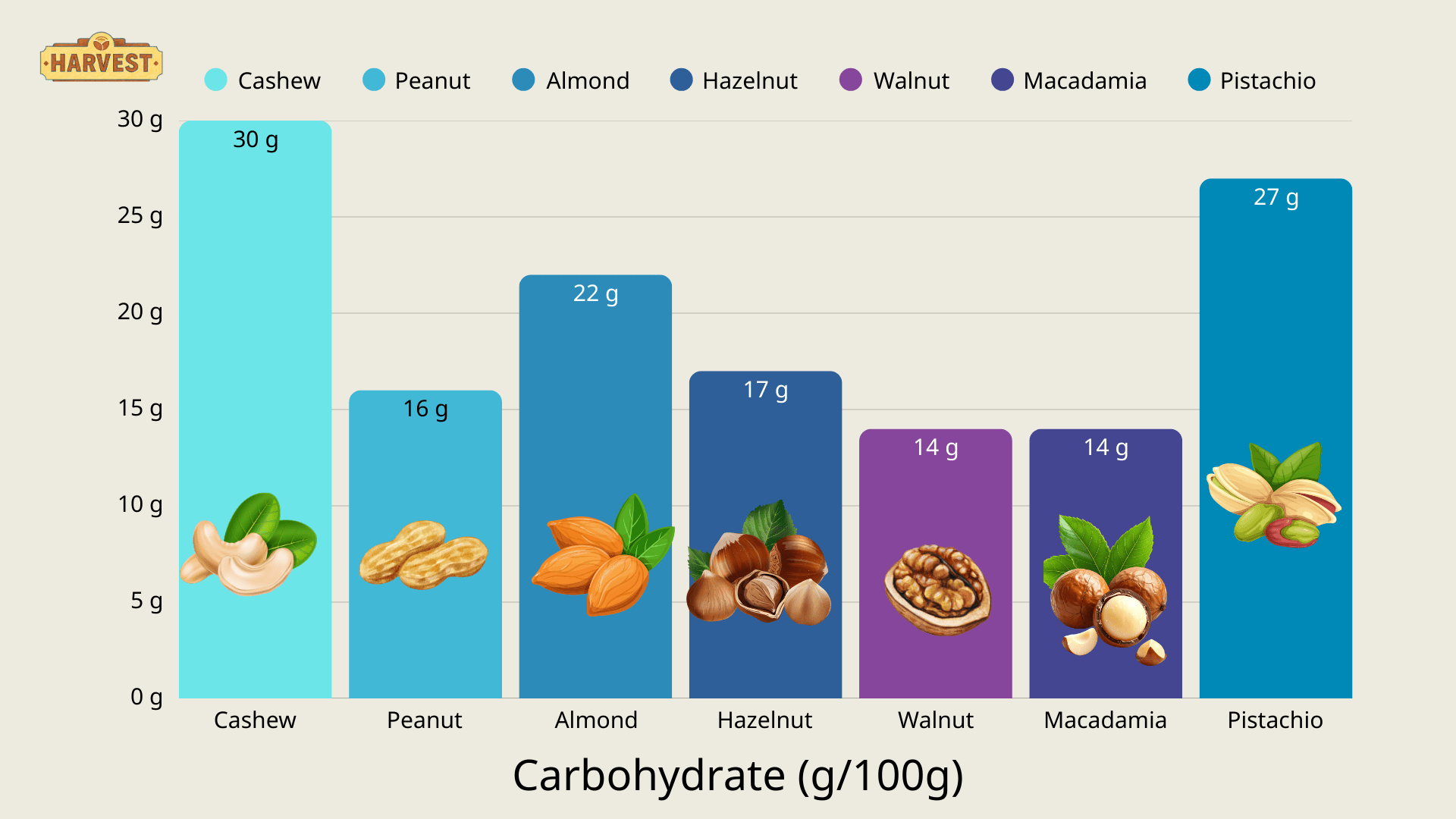
5. Suitable for many goals: dieting, fitness, weight gain, or kids’ nutrition
- Gym-goers benefit from protein in peanut and almond.
- Those on a diet benefit from healthy fats in macadamia.
- Older adults benefit from omega-3 in walnuts.
- Children need the minerals found in cashews and hazelnuts.
One type of butter can’t do it all — but a mix of nut butters can.
When it comes to nut butters, the goal isn’t to pick one best nut, but to enjoy a variety so your body receives all nutrient groups: healthy fats, protein, vitamins, minerals, and antioxidants.
Your body doesn’t need a lot of one thing — it needs a little of everything.
